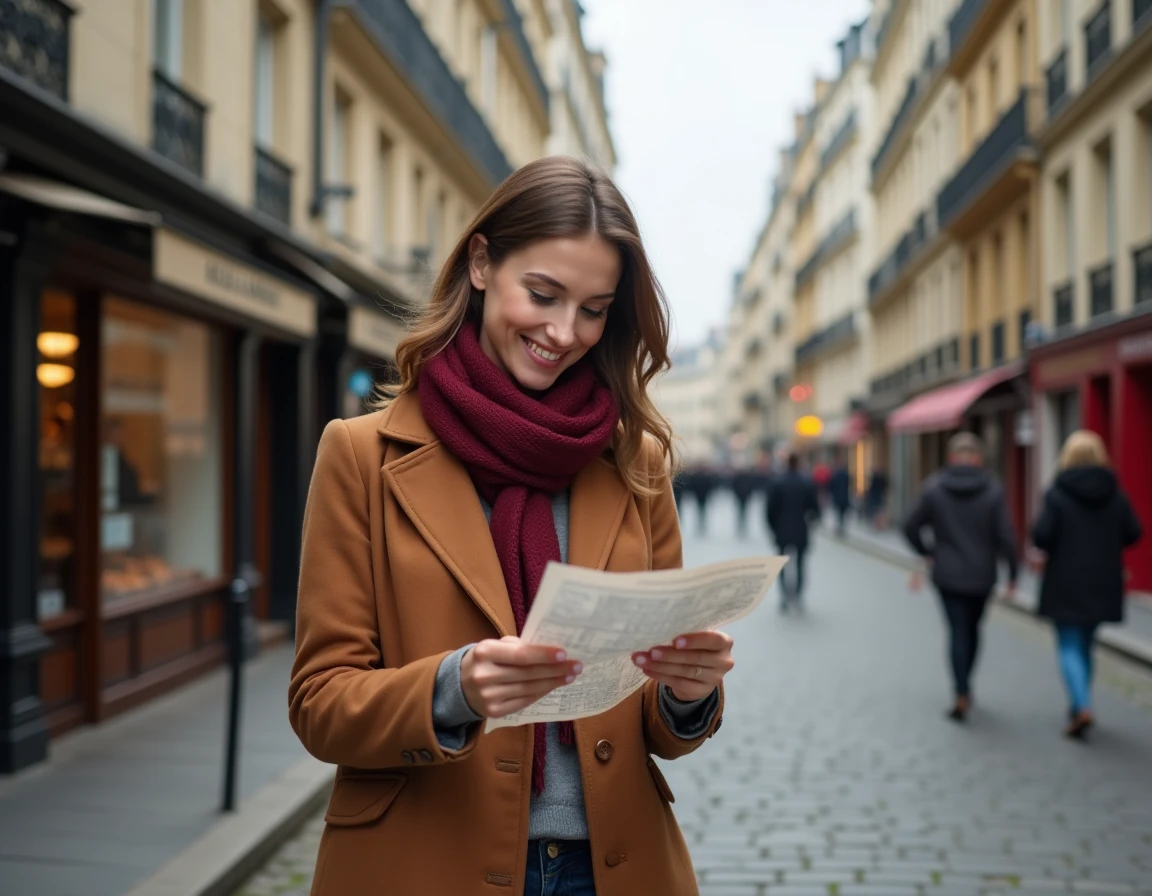
Paris receives each year a volume of visitors that exceeds that of most European capitals. The majority of them follow the same routes, from the same queues at the Louvre to the same photos in front of the Eiffel Tower. The Parisian tourist offer has changed in recent years: the city now structures a program focused on behind-the-scenes experiences, peripheral neighborhoods, and thematic experiences, far from the classic route of monument by monument.
Neighborhood addresses with a strong culinary identity: the new Parisian thread
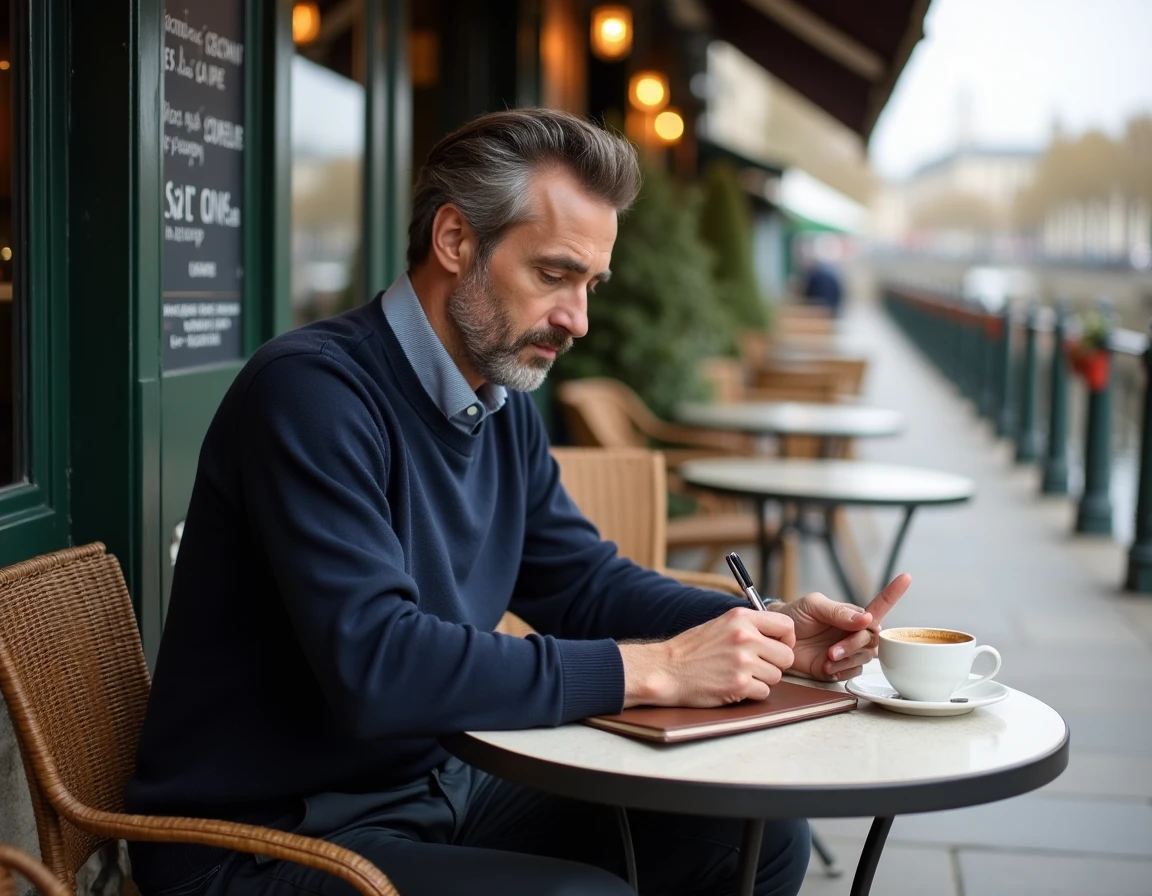
Recent selections by Figaro and Do it in Paris converge on one point: neighborhood addresses with a strong culinary identity are taking precedence over standardized spots in tourist areas. The phenomenon is not limited to French cuisine. The most recent guides to Parisian outings shift the focus towards world cuisine and gourmet neighborhoods, explicitly highlighting less visible but more distinctive tables.
This movement structures another way to explore the capital. Instead of looking for the best restaurant near Notre-Dame, the attentive visitor heads towards less documented arrondissements, where menus reflect specific cuisines rather than a generic “Parisian brasserie” menu. This type of discovery requires prior scouting, and that is precisely what platforms like parisblogged.fr offer, aggregating recommendations by neighborhood and theme.
Field feedback diverges on this point: some highly promoted neighborhoods (the 11th, Belleville, Oberkampf) are also starting to experience a form of saturation. The question of whether these addresses will retain their character as attendance increases remains open.
Heritage and archaeology: the “behind-the-scenes” events that change the visit
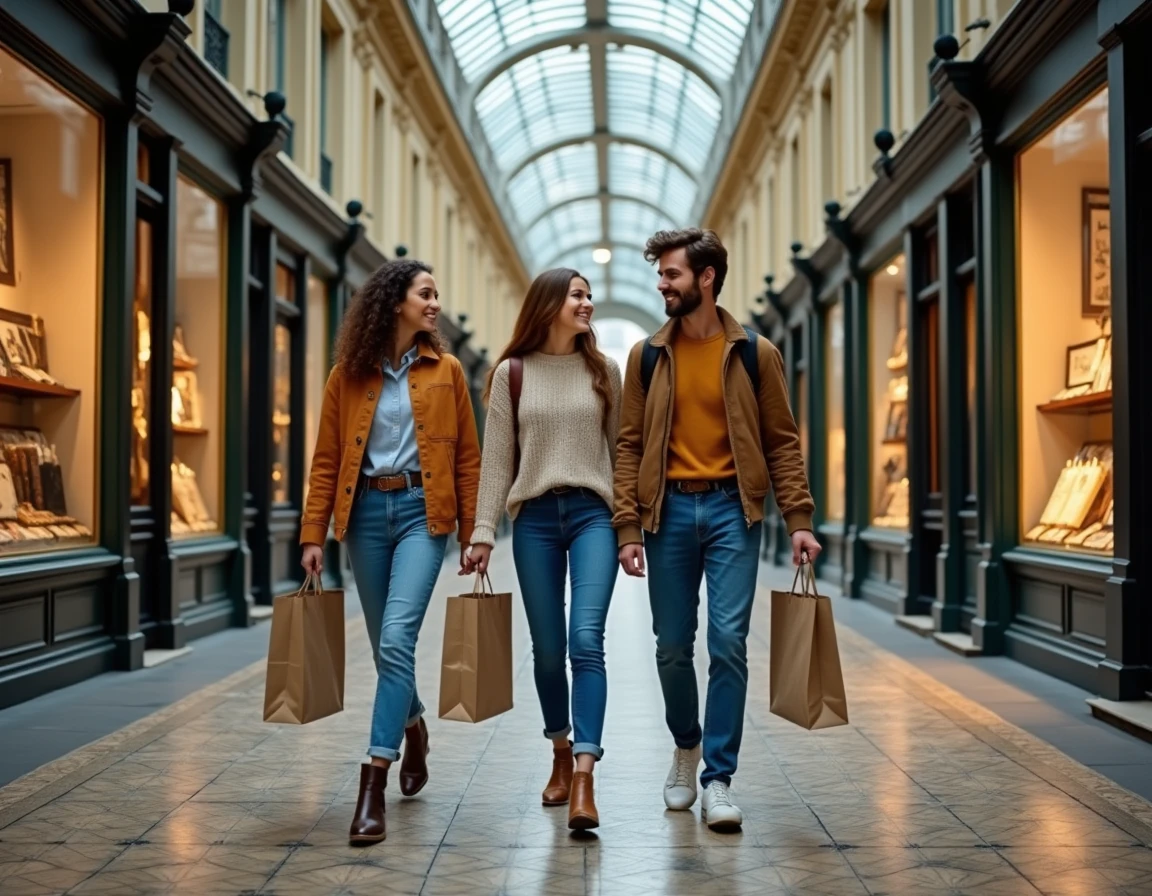
The official agenda of Paris now highlights “behind-the-scenes” and “experience” events. The European Archaeology Days, for example, open sites and institutions to the public to showcase the behind-the-scenes of archaeological research. This format goes beyond the classic museum visit: the visitor accesses spaces usually closed off, with mediators contextualizing ongoing discoveries.
This type of programming alters the relationship with Parisian heritage. The city no longer merely displays its monuments. It organizes privileged access times to scientific workspaces, attracting a different audience from the usual tours.
Why these formats remain under-documented
Most online tourist guides treat these events as brief agenda items, without explaining what one actually sees there or how to prepare for them. The visitor looking to explore Paris differently through heritage often has to cross-reference multiple sources to know which sites are participating, which time slots are accessible without reservation, and which neighborhoods concentrate the most interesting proposals.
Sporting and urban events: a blind spot in classic guides
Exploring Paris differently also involves major event highlights that have nothing to do with museums or gastronomy. The Parisian tourist program includes very visible sporting and urban events:
- The Roland-Garros Tennis Club at Porte d’Auteuil, which transforms an entire neighborhood for several weeks and generates street life, ephemeral terraces, and a specific atmosphere
- The International Dragon Boat Festival, a lesser-known event that takes over the Seine and its banks with a participatory dimension rare in the Parisian calendar
- Swimming in the Seine, with public access announced as early as July 4, 2026, a concrete change in the use of the river that redefines the relationship of Parisians and visitors to this waterway
These events create temporary micro-destinations in areas that visitors usually pass through without stopping. Porte d’Auteuil, the banks of the 13th, or the quays upstream from downtown become full-fledged places to stay for a few days.
Immersive experiences and contemporary art: what the current Parisian scene offers
The Caverne du Pont-Neuf, a monumental immersion by JR, illustrates a format that is multiplying in the capital: large-scale artistic installations in repurposed heritage sites. This type of proposal blurs the line between cultural visit and spectacle, attracting an audience that does not necessarily frequent traditional galleries.
The phenomenon is not isolated. Several Parisian hotels are repositioning their offerings around experiences (fitness clubs open to non-residents, internal cultural programming), creating unexpected entry points to discover a neighborhood. The Bristol Paris, for example, promotes its “Society Fitness Club” as a way to experience the city differently, behind the doors of a palace.
A fragmented offer
The main obstacle for visitors seeking these alternative experiences lies in the absence of a central aggregator covering all these formats. The tourist office lists major events. Specialized blogs document niche addresses. Social media capture ephemeral openings. But no single source brings together immersive art, sporting events, neighborhood tables, and heritage access in one place.
This fragmentation favors visitors who prepare their stay in advance, to the detriment of those who arrive without planning. The available data does not allow us to say whether this dispersion will resolve over time or if it reflects a structural characteristic of the Parisian offer.
Paris is increasingly visited not as a succession of monuments to check off. Neighborhood addresses, sporting events on the Seine, and immersive formats redraw a parallel map of the capital. The scouting work remains the responsibility of the visitor, but sources are multiplying, and the official programming is gradually integrating these alternative angles into its calendar.