
The digital creative landscape is undergoing a rapid reconfiguration. Generative artificial intelligence has established itself in visual production workflows, real-time engines from video games are migrating to branding, and platforms are imposing new rules of transparency regarding the origin of content. These simultaneous movements are reshaping the practices of graphic designers, art directors, and digital communication studios.
AI Labeling and Transparency: What’s Changing in Visual Production
Since 2024, Meta, TikTok, and Google have been rolling out explicit labeling systems for content generated or modified by artificial intelligence. These systems go beyond a simple badge visible to the user: they involve changes in the metadata of files, disclaimers integrated into publications, and, in some cases, separate workflows between human production and AI-assisted production.
For design studios, this evolution has direct consequences. A campaign visual created with a generative tool must now be documented differently than a photograph or manually illustrated visual. The traceability of the creative process becomes a deliverable in its own right, just like the source file.
Articles discussing creative trends generally address AI as a production accelerator. They less frequently mention the impact of transparency policies on credit and documentation practices. Among recent content from Pixikult, several topics explore this tension between the adoption of generative tools and the increasing demands for traceability.
Real-Time Engines and Graphic Design: The Shift from Video Games
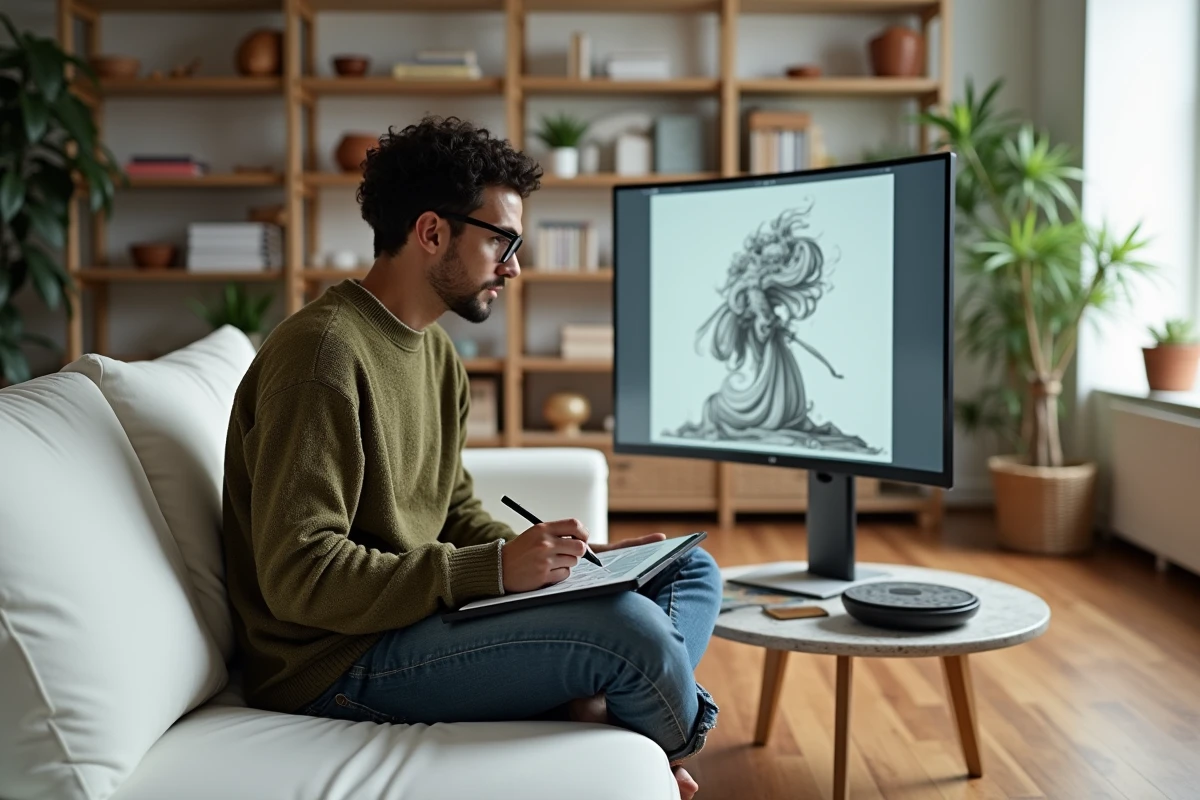
Real-time rendering engines, originally designed for video games and 3D animation, are gradually being adopted in contexts unrelated to gaming. Animated brand identities, immersive websites, interface prototyping: these tools enable the production of interactive visuals at a cost and speed that traditional 3D pipelines could not achieve.
This technological transfer alters the very nature of the graphic deliverable. A designer proficient in a real-time engine no longer produces a static image or a linear video. They create a reactive visual experience, where the user influences the output.
What This Means for Studios
The integration of these engines in a communication studio requires hybrid skills. The sought-after profile is no longer strictly that of a graphic designer or a developer, but someone capable of navigating between the two. Field feedback varies on this point: some studios train their teams internally, while others recruit directly from the video game industry.
The trend towards immersive 3D experiences, often cited in annual overviews, largely relies on this technological migration. The available data does not allow for precise measurement of the proportion of design studios that have adopted these tools, but the increasing presence of real-time renderings in online portfolios serves as a visible indicator.
Anti-AI Reaction in Graphic Choices: Textures, Imperfections, and Handmade
Alongside the massive adoption of generative tools, an opposing trend is taking shape. Some brands and illustrators deliberately choose visuals that display their human origin: irregular textures, visible pencil strokes, hand-drawn typography, and deliberately dissonant color palettes.
This “anti-AI” logic is not merely an aesthetic whim. It addresses a concrete issue: the visual saturation produced by generative tools tends to standardize outputs. When the same AI model produces thousands of images in a comparable style, imperfection becomes a signal of differentiation.
- Organic textures (photographic grain, watercolor, ink) serve as markers of authenticity against the smooth surfaces of AI renderings
- Handwritten or irregular typefaces replace standardized geometric fonts in certain brand identities
- Maximalist palettes, with deliberately raw color combinations, oppose the harmonies calculated by algorithms
This movement remains difficult to quantify. However, it appears in the artistic direction choices of recent campaigns and in discussions within French-speaking graphic design communities.
Interfaces and User Experience: Typography as a Structuring Element
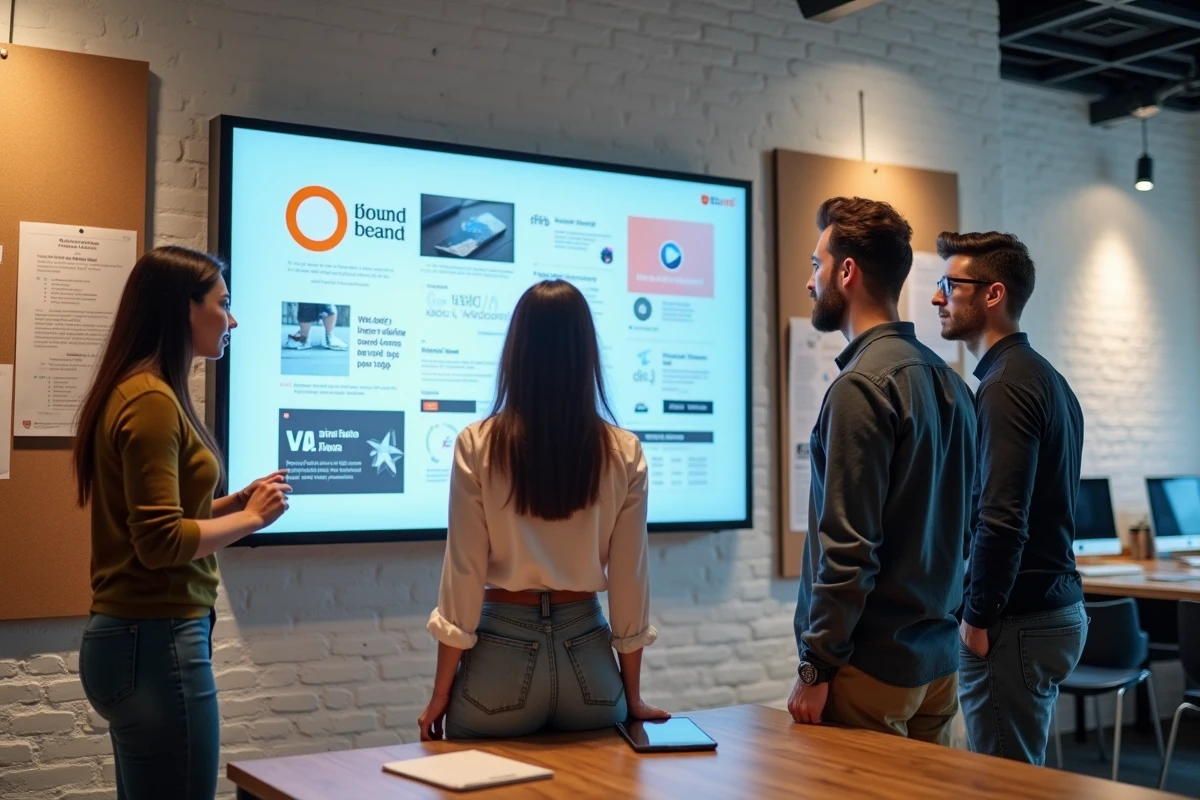
In web design, typography is becoming increasingly central. It no longer merely conveys text: it structures visual hierarchy, sometimes replaces images, and defines the identity of a site or application.
This evolution accompanies a shift in user expectations. Overloaded interfaces with decorative elements are losing ground to designs where typography alone carries the essence of visual communication. The choice of a font, its size, and its spacing are becoming design decisions as strategic as the choice of a color palette.
Variable Fonts and Web Performance
Variable fonts, which allow continuous adjustment of weight, width, or slant from a single file, offer a direct technical advantage. They reduce the number of files to load and enable smooth transitions between the visual states of an interface.
For immersive sites and digital creations, this performance gain is significant. A single typographic file replaces multiple variants, which lightens loading times without sacrificing visual richness.
- Variable fonts allow for smooth typographic animations directly in the browser
- They facilitate responsive adaptation without multiplying CSS declarations
- Their adoption remains gradual: all browsers support them, but not all creation tools yet integrate them natively
Digital design and graphic trends are being reconfigured under the combined effects of generative AI, transparency constraints, and a return to deliberately imperfect visual forms. The boundary between tools from video games and visual communication tools is blurring. Typography, for its part, is regaining a structuring role that images had sometimes overshadowed. These dynamics do not all move in the same direction, and it is this tension that makes the current period stimulating for creatives.