The autumn-winter 2026-2027 fashion trends are not just about a simple change in palette or silhouette. This season, the Parisian runways have confirmed a deeper shift: fashion houses are now blending haute couture techniques with everyday pieces, while European regulations begin to reshape the available offerings in stores.
Couture applied to basics: the fashion trend redefining the autumn-winter wardrobe
During the Paris Fashion Week for spring-summer 2027, several houses showcased white shirts, reworked t-shirts, and jeans using couture construction techniques. The analysis published by Aza Fashions on October 8, 2026, details this approach: glamour is making a comeback, but it is being layered onto ordinary clothing rather than replacing it.
Specifically, this means that a coat with a classic appearance can incorporate visible artisanal finishes (exposed seams, intricate linings) without veering into the spectacular. The collections aim, according to Vogue, to be more realistic and better connected to customer expectations.
To keep up with these developments throughout the season, the site Have a Fashion Break regularly compiles fashion news and runway analyses.

Colors and textured materials: what the runways confirm for this winter
The Parisian runways have highlighted deliberately crumpled or textured materials. Comfort no longer relies solely on smooth minimalism: crinkled fabrics, irregular knits, and slightly pleated surfaces create a wardrobe that embraces imperfection as an aesthetic choice.
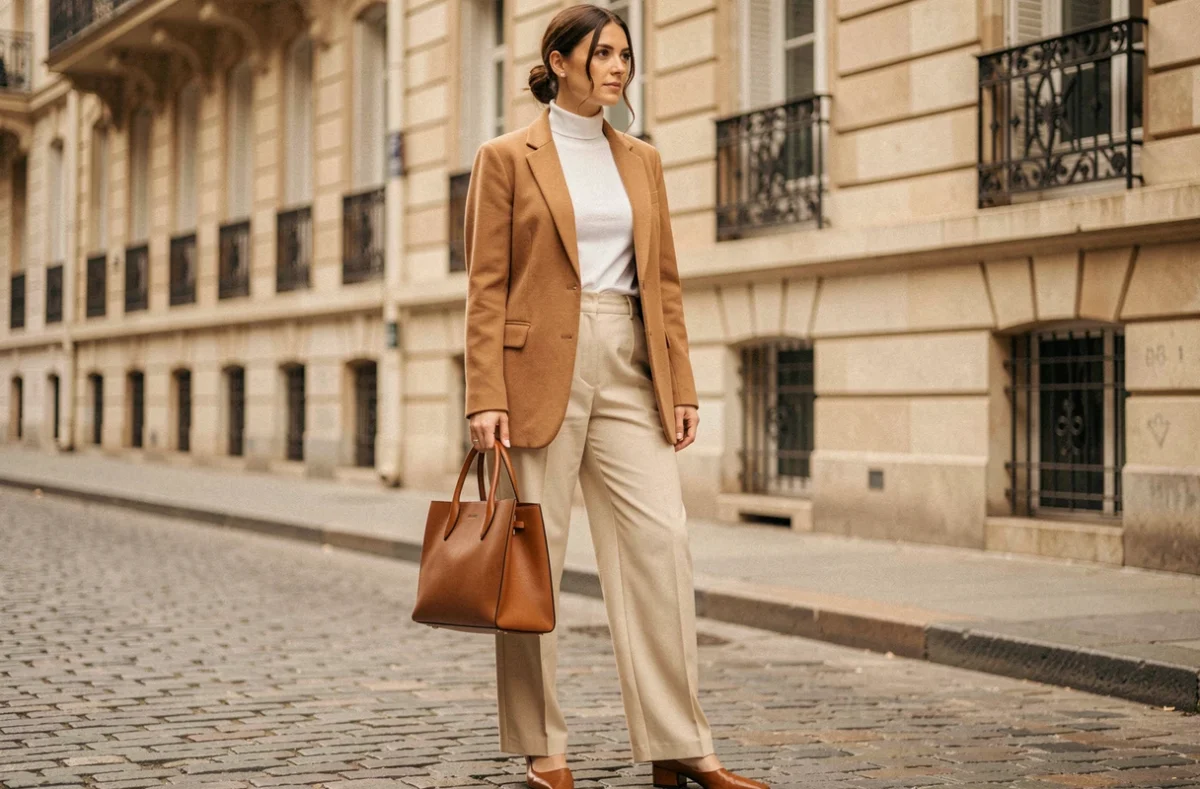
In terms of colors, the season continues the return of warm tones that began in previous years. The pastels mixed together, spotted on several spring-summer 2027 runways, already signal the transition to spring. For the current autumn-winter season, deep shades (burgundy, chocolate brown, forest green) dominate coats and trousers.
Patterns and prints to note
This season’s prints play with scale and contrast. The trend is not for subtle patterns: prints occupy large areas, often on a single piece of the outfit to avoid overload. This visibility choice aligns with the broader logic of the season, where each garment seeks to exist individually within the silhouette.
- Pastel mixes work in monochrome on coordinated sets, from powder pink to lilac.
- Textured materials (velvet, crinkled knits, crumpled surfaces) replace the usual smooth surfaces on structured pieces like skirts and short jackets.
- Deep shades and raw materials (corduroy, boiled wool) ground winter outfits in a palette that prioritizes visual density over sharp contrast.
European regulation on unsold goods: a concrete change for fashion offerings
The European regulation on the eco-design of sustainable products prohibits large companies from destroying unsold clothing, accessories, and shoes starting July 19, 2026. Medium-sized enterprises will be affected starting in 2030. The standardized publication of information on destroyed products is expected to begin in February 2027.
This regulatory constraint has a direct effect on this season’s fashion trends. Brands must clear their stocks in other ways, which fuels the second-hand market and clearance operations.
Second-hand as a structured professional circuit
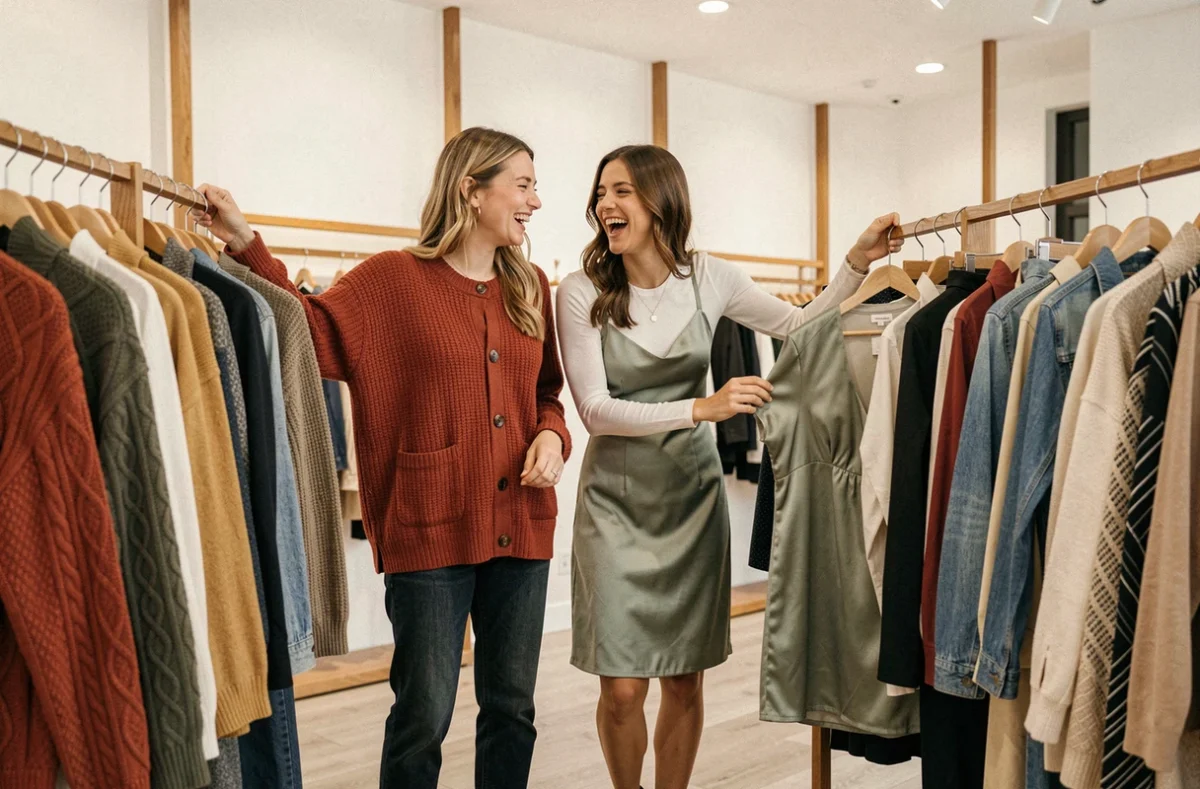
The report The State of Resale AW26, published on September 23, 2026, by Fleek, documents a rapid professionalization of resellers. Direct sales are increasing, platforms are diversifying, and demand for new stock, customer returns, and liquidations is rising.
This is no longer a marginal act of responsible consumption. Reselling is becoming a full-fledged distribution channel, with its own supply and pricing logic.
Key silhouettes and fashion pieces to watch this season
The Parisian runways for spring-summer 2027 are shaping several silhouettes that are already influencing autumn-winter purchases. Layering remains a central principle: sleeveless jackets over fine knits, trench coats worn open over flowing dresses.
- The wide corduroy pants are establishing themselves as an alternative to jeans for everyday outfits.
- Skirts in all their forms (pleated midi, long slit, structured short) occupy a central place in the collections.
- Long enveloping coats embody the standout piece of winter, worn closed over minimalist outfits to accentuate the sculptural silhouette effect.
- Loose trousers and fluid cuts extend the comfort logic observed in the collections, offering generous volumes that move away from the slim fits of previous seasons.
The hybridization between city clothing and technical pieces is also confirmed in accessories. Medium-sized bags, large enough for professional use, are gradually replacing the micro-bags of previous seasons.
This season marks less of a break than a consolidation. Fashion houses are seeking to reconcile careful construction with the real use of clothing, while regulations push the entire sector to rethink stock management. The next test will be the effective implementation of the ban on destroying unsold goods and its repercussions on in-store prices starting early 2027.