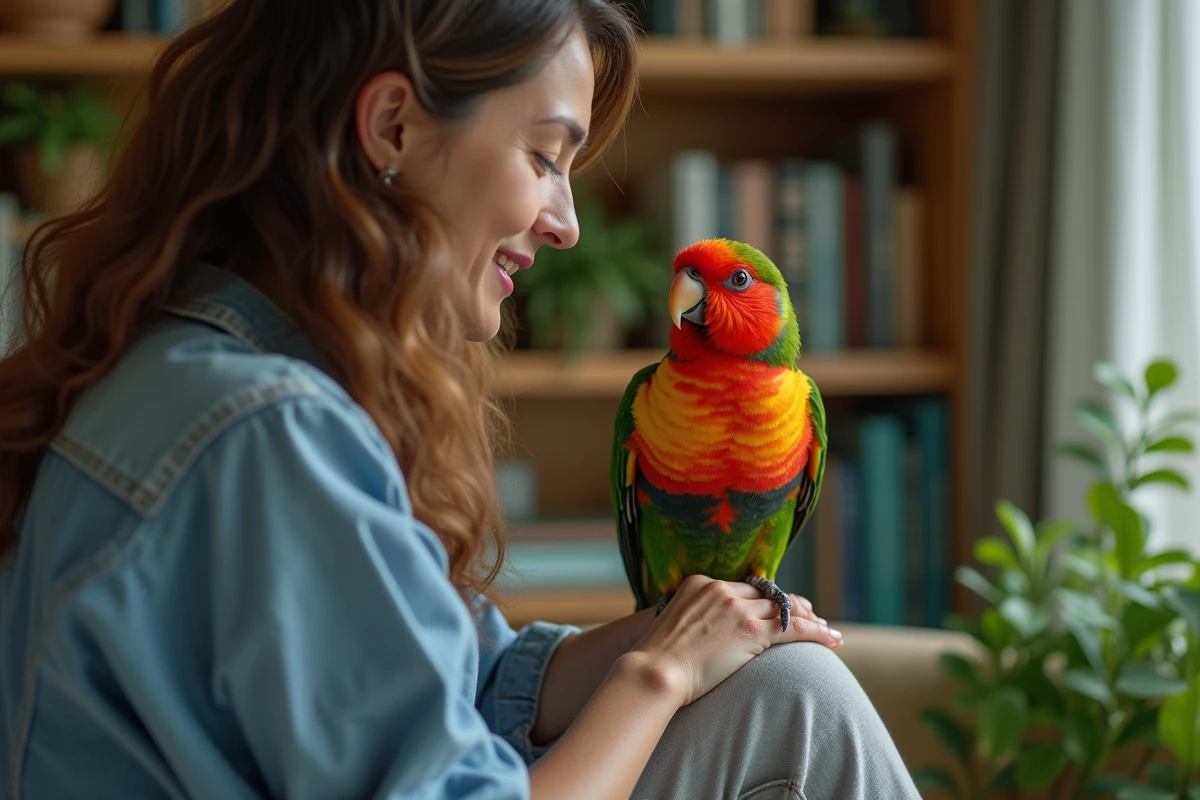
A capacity to pronounce distinct words without matching the stars of animal chatter: the red-fronted kakariki cultivates the art of nuance. In aviaries or living rooms, some individuals demonstrate real abilities to reproduce human sounds, while others, more reserved, stick to their natural repertoire. It all depends on the context, the stimuli, and the quality of daily interactions.
The red-fronted kakariki: a lively and surprising companion
The red-fronted kakariki, named cyanoramphus novaezelandiae by ornithologists, is bursting with energy and resembles no other ornamental parrot. Native to New Zealand, it embodies agility in all its forms: a master of movement, quick, curious, and rarely in a bad mood. Its bright green plumage is illuminated by a striking red forehead, a distinctive mark of kakariki species. It is often seen hanging from a branch, seeking novelty or rummaging through the litter in search of a surprise to manipulate.
Endowed with keen intelligence, it remembers habits, distinguishes faces, and adapts its behavior according to its human companions. It is this liveliness of spirit, this sense of relationship, that explains the growing popularity of the species among enthusiasts of rare feathers. For those who want to delve deeper, the red-fronted kakariki on British & Co offers crucial insights into its specifics.
The balance of this bird relies on a varied and stimulating environment. To provide this companion with the means to thrive, one should plan for:
- perches of diverse shapes, destructible toys, hidden corners to discover, and renewed hiding spots.
Trust is built through regular contact and careful observation of its signals. Those who know the red-fronted kakariki well describe it as a playful bird, sometimes a bit mischievous, always ready to surprise, with, depending on the lineage, bursts of sociability or marked independence. But all share this communicative energy and an endearing character.
Can it really talk? The reality behind its vocal abilities
Discussions abound regarding the red-fronted kakariki‘s ability to vocalize human words. It is neither a budgerigar nor an African grey, yet some individuals, through daily contact, grasp a few words, reproduce sounds, and hint at familiar whistles. Its expressive nature leans more towards a variety of sounds than articulated speech: what it offers is a sound presence, always nuanced, never monotonous.
This bird has a varied range of natural expressions: small cries, coos, and clicks that punctuate its social exchanges. Each intonation has meaning, expresses intention, and conveys a need. The kakariki parakeet does not speak in the strict sense, but it knows how to engage with its audience and the atmosphere of the room, adapting its way of expressing itself to each situation.
To shed light on what the kakariki offers in terms of sounds, we note:
- Imitation: it can learn a few sounds or short words if well stimulated, but will never go further.
- Natural repertoire: distinct cries, a range of tones, and vocal games that vary between pleasure, curiosity, or alertness.
- Reactivity: sensitive to voice, it easily recognizes certain words or gestures and willingly interacts in its own way.
The red-fronted kakariki therefore prefers a palette of personal sounds to recitation. This expressive richness creates a genuine dialogue, never tiresome, where it quickly becomes clear that the essence is not to repeat, but to communicate a little differently every day.
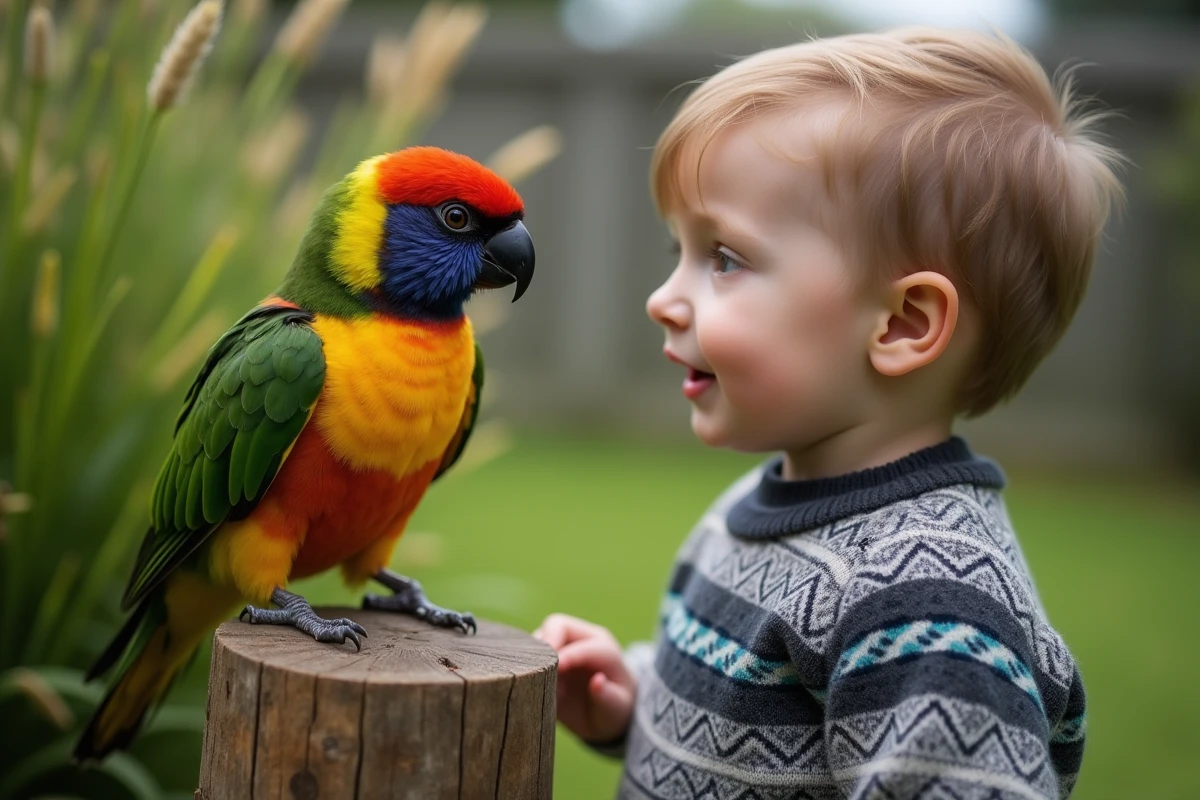
Living well with a kakariki: living environment, attention, and taming
Welcoming a red-fronted kakariki requires revising standards regarding cage and environment. It first needs space, a wide, bright cage, quiet corners, and numerous opportunities to climb, nibble, and explore. Favor natural perches, renew accessories, and allow it some monitored freedom to satisfy its insatiable curiosity.
As for its diet, nothing monotonous: a mix of selected seeds, enriched with fresh fruits, varied vegetables, aromatic herbs, and occasionally, young shoots or a millet ear for enjoyment. Water, always fresh, should be changed daily to maintain its health.
Regarding taming, the key is patience. Approach without sudden movements, speak softly, offer a treat by hand, and respect its pace. A kakariki that feels threatened becomes distant; gentleness always prevails. The first weeks therefore require discretion and perseverance.
The breeding season also imposes some particular precautions. The female kakariki typically lays between five and eight eggs in a quiet corner, away from disturbances. During this period, prioritize tranquility, avoid unnecessary stress, and ensure quality nutrition to guarantee the vitality of the brood.
Points to keep in mind
To not overlook the real needs of the kakariki, the following aspects deserve daily attention:
- Environment: provide ample space, multiply perches, and vary hiding spots to support its exploratory instinct.
- Meals: provide a carefully selected mix of seeds, fruits, vegetables, and clean water every day.
- Contact: establish gentle, regular interactions, and foster trust through routine.
- Breeding: ensure discretion and monitor the brood while respecting the natural rhythm of the pair.
The red-fronted kakariki brings an unparalleled burst of life to those who choose to welcome it. Its lively presence, subtle vocalizations, and ability to establish a unique dialogue testify that here, speech is merely a pretext: it is the daily exchanges that weave the true relationship. No need for lengthy speeches to understand that with this bird, each day opens up to a promise of the unexpected.