Which factors truly influence a home’s comfort in 2026? Between the color palettes flooding social media and the regulatory constraints facing property owners, the idea of “living better at home” means very different things depending on whether we’re talking about aesthetics, thermal performance or adapting a home for aging occupants.
Summer comfort and energy performance: what the DPE doesn’t measure
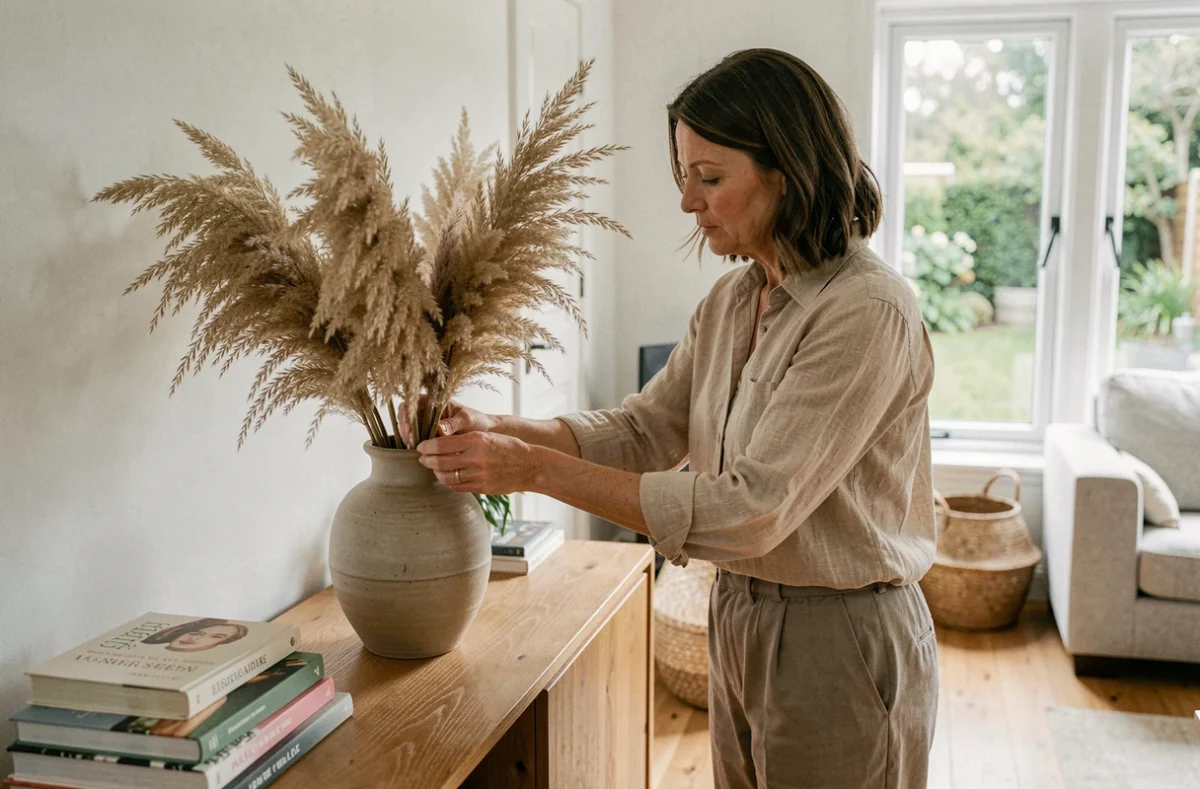
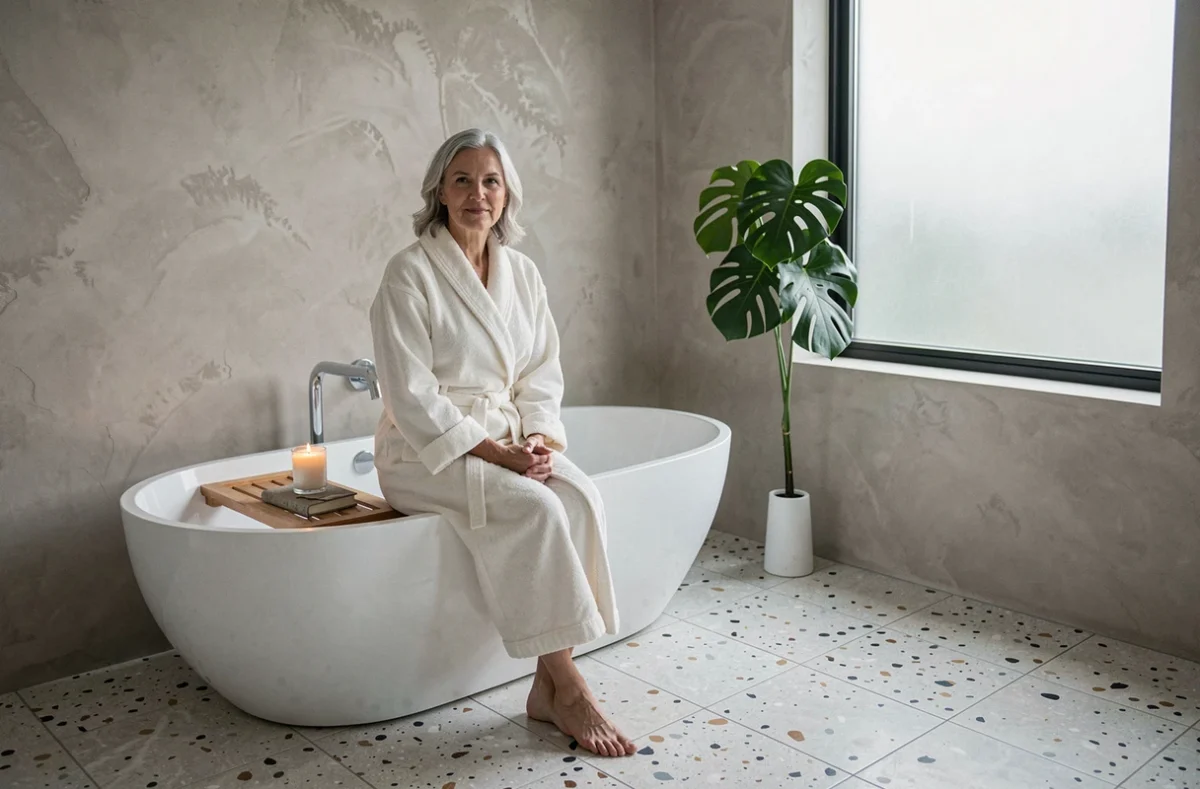
2026 interior design trends highlight natural materials, earthy tones and open, flowing spaces. These choices aren’t just visual: the materials selected for an interior renovation directly affect a room’s thermal comfort.
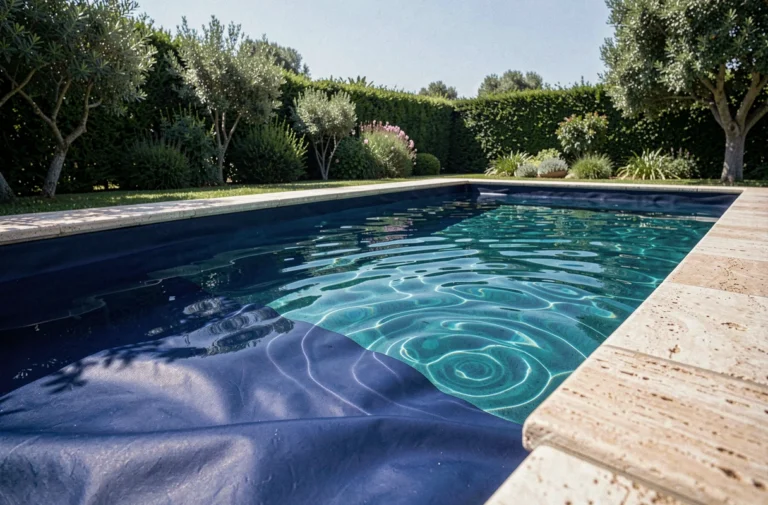
One factor remains underestimated. The DPE’s summer comfort indicator doesn’t take the local climate into account. It assesses building characteristics (orientation, solar protection, thermal mass) but doesn’t factor in actual weather data for the area. A home rated “comfortable in summer” in Lille and another in Montpellier are assessed using the same criteria.
Some homeowners who insulated their homes to improve winter performance have noticed the opposite effect in summer: once heat gets in, more of it stays trapped inside. Connexion France reported these experiences in October 2026, noting that solar protection, the thermal mass of materials and ventilation matter just as much as insulation.
For anyone planning renovations in 2026, combining energy upgrades with the choice of decorative materials (natural stone, polished concrete, solid wood) serves a dual purpose: aesthetic and thermal. These home performance topics are regularly covered in Mon Habitat news.
2026 home trends compared: decor, regulations and accessibility
The main directions in home design for 2026 fall into three areas that don’t always overlap. The table below compares the leading trends in each category.
| Area | Leading trend | Practical impact on everyday life |
|---|---|---|
| Interior design | Earthy palettes, tactile materials, color drenching | A more enveloping atmosphere, with rooms perceived as a unified volume |
| Thermal performance | Improved insulation, but a blind spot around summer comfort | Risk of overheating in summer if ventilation and solar protection are neglected |
| Adapting to aging | MaPrimeAdapt’ with a project management assistant required | A supported process, but with an application portal that was temporarily suspended in early 2026 |
The gap between these three areas is striking. A home can be on trend decor-wise yet unsuitable in terms of thermal comfort or accessibility. Design choices work best when considered together.
Adapting a home for aging occupants: MaPrimeAdapt’ in 2026
Designing a living space involves more than choosing wall colors or furniture. For older occupants, room layouts, corridor widths and the height of fixtures all affect their ability to remain at home.
MaPrimeAdapt’ requires the involvement of a project management assistant to assess needs before any work begins. This professional identifies priority adaptations (a level-access shower, grab bars, wider doorways) and coordinates the work.
Mon Immeuble reported in October 2026 that the scheme’s application portal reopened on February 23, 2026, after a temporary suspension early in the year. Check this information with Anah before starting a project, as eligibility requirements may change.
Which practical adaptations should you prioritize?
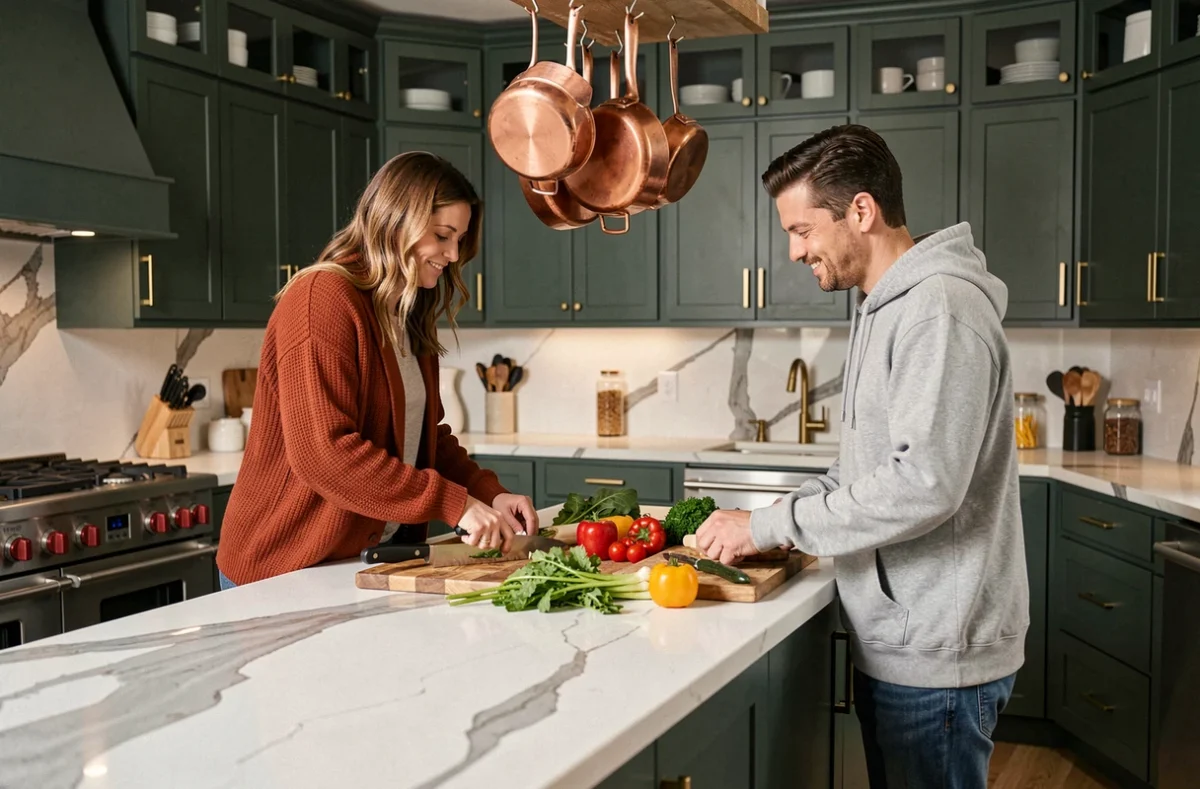
- Replacing the bathtub with a walk-in shower, installing non-slip flooring and adding grab bars in the bathroom are the most common improvements.
- Lighting in hallways and staircases can be upgraded with motion sensors to prevent people from having to move around in the dark.
- Living room furniture (tables, chairs and sofas) should be chosen with seat height in mind: a seat that’s too low makes it harder to stand up and puts strain on the joints.
These adaptations align with one of the 2026 interior design trends: curved shapes and soft materials also make everyday spaces easier to use for people with reduced mobility.
Materials and natural light: the link between decor and real comfort
Solid wood, stone, washed linen and polished concrete dominate the material palettes of 2026. Beyond their appearance, each of these materials behaves differently in response to heat, humidity and light.
Natural stone and polished concrete have high thermal mass. They absorb coolness overnight and release it during the day, helping keep homes comfortable in summer without air conditioning. Solid wood naturally regulates a room’s ambient humidity.
Color drenching—the technique of painting walls, ceilings and woodwork in the same shade—also changes how light is perceived in a space. A dark color applied to every surface absorbs more light and can reduce natural brightness in rooms with limited exposure. Before embracing this trend, measure the actual light levels in each room to avoid costly mistakes.
- North-facing room with few windows: choose light shades and matte materials that diffuse light rather than reflect it.
- Bright, south-facing room: color drenching in a deep shade works well and can visually soften the intensity of the light.
- Open-plan living space (living room and kitchen): test the color on a full wall before covering the entire space, to see how it looks in both areas.
Interior design choices in 2026 are about more than following a color palette. A material that regulates temperature, furniture suited to the occupants’ needs, support verified before committing: a home’s real comfort is measured by how it works in everyday life, not by how on trend it is.