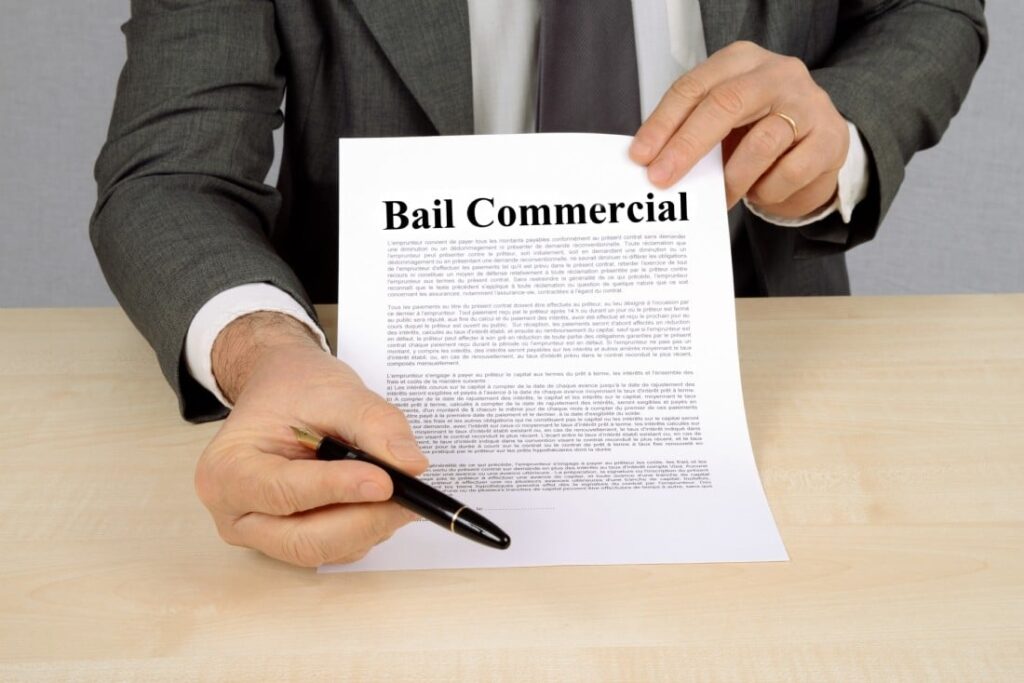
Whether you are signing your first lease or preparing for a move, you need to understand the concept of a classic commercial lease or 369. Knowing what questions to ask and what to look for in a commercial lease can save you money. In this article, you will find everything you need to know about a commercial lease.
What is a classic commercial lease?
A classic commercial lease or 369 is a contract that allows a business to rent office space or another commercial property from a landlord. The term “commercial” simply means that the lease is dedicated to business activities rather than housing. A commercial tenant can be anyone from a sole proprietor with a small growing business to a large multinational corporation.
What are the important terms of a 369 commercial lease?
There are elements that are generally included in a 3 6 9 commercial lease. While most are fairly standard, they only apply if they are included in the lease during negotiations with the landlord.
These elements include:
- Lease duration
- Rent
- Other costs
- Security deposit
The lease may also specify the permitted uses of the property. There are two forms of permissions, namely
Permitted use
The lease is solely for specified commercial activities. The tenant cannot engage in other types of commercial activities without the landlord’s permission.
Exclusive use
The tenant gains exclusive rights to conduct certain activities in a larger property with multiple tenants. For example, a café in a shopping center or a tax accountant in a business park may negotiate for exclusive use to prevent competitors from setting up next door.
What happens if the landlord wants to modify the lease?
The landlord generally does not have the right to modify the lease on their own. To make changes, they would typically need to wait for the next renewal or offer something to the tenant to persuade them to accept the changes.
The main exception would be if the lease itself contains some sort of option. For example, the landlord may include a clause that allows them to terminate the lease if they sell the property. In short, any change must have the tenant’s signature either as an amendment or as an option they accepted in the original lease.
What happens if the tenant wants to change or exit the lease?
Just as tenants have the right to expect their landlord to suspend the lease, the landlord also has the right to expect tenants to suspend the lease. There are, of course, exceptions to the rule.
If the business is experiencing difficulties or needs to move to another space, the tenant may consider terminating the lease. If they do, the landlord may have the right to pursue the tenant for the remaining rent due under the lease. In some states, the landlord may have a duty to mitigate, which requires them to try to re-rent the space and offset the rent they receive with the damages owed by the tenant.